WELCOME TO MUSICAL LIVING ACADEMY

Engage the Mind.

Express the Heart.®

Discover the transformative power of music with us. We nurture creativity, talent, and personal growth in a supportive community. Start your journey today!

INTRO COURSES

Fun Foundations For All Ages!

Our Intro Classes offer a fun, group-based introduction to music, with programs tailored for every age group.


We provide PreK Piano (4-6yrs), 4Kids Programs (7-11yrs), 4Teens Programs (12-17yrs), and Adult Programs (18yrs-up). These classes build a solid musical foundation in a supportive environment, ideal for beginners!

CHECK OUT OUR CLASSES!

PRIVATE INSTRUCTION

Personalized Instruction For Focused Growth

Private Lessons offer individualized, one-on-one instruction starting at age 6 and up.


With tailored lessons to meet your child’s specific goals, students receive focused attention to help them grow their musical talents confidently and effectively.

BOOK YOUR PRIVATE LESSONS!

ONGOING CLASSES

Spring 2026 Intro Classes Are Now Open!

Spring 2026 Intro Class registration is now open!


Our Intro Programs are designed to give students a confident, well-structured start in music, no prior experience required.

PreK Piano Class

4 to 6 Years Old

$95/MONTH

SIGN UP HERE!

MONDAY

FIRST CLASS ON 02/16

6:00PM

SATURDAY

FIRST CLASS ON 02/07

11:00AM

Piano4Kids Class

7 to 11 Years Old

$95/MONTH

SIGN UP HERE!

TUESDAY

FIRST CLASS ON 02/03

TEACHER: DWIGHT REEVES

6:00PM

SATURDAY

FIRST CLASS ON 02/07

2:00PM

Rhythm4Kids Bucket Drumming

7 TO 11 Years Old

$95/MONTH

SIGN UP HERE!

SATURDAY

FIRST CLASS ON 02/07

TEACHER: EDGAR FACUNDO

3:00PM

Voice4Kids Class

7 TO 11 Years Old

$95/MONTH

SIGN UP HERE!

FRIDAY

FIRST CLASS ON 02/06

7:00PM

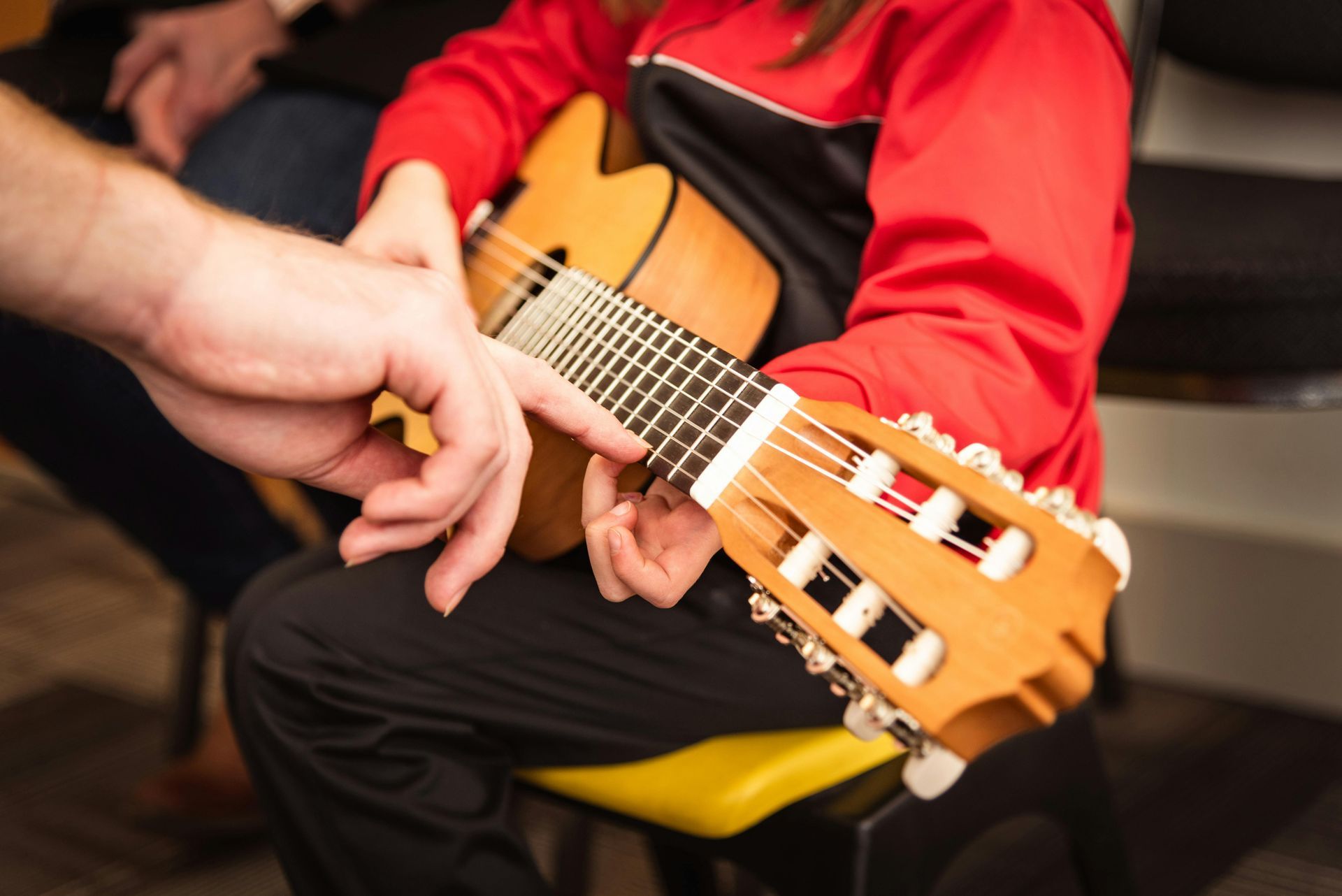
Guitar4Kids Class

7 TO 11 Years Old

$95/MONTH

SIGN UP HERE!

WEDNESDAY

FIRST CLASS ON 02/04

TEACHER: OSCAR RIVAS

5:00PM

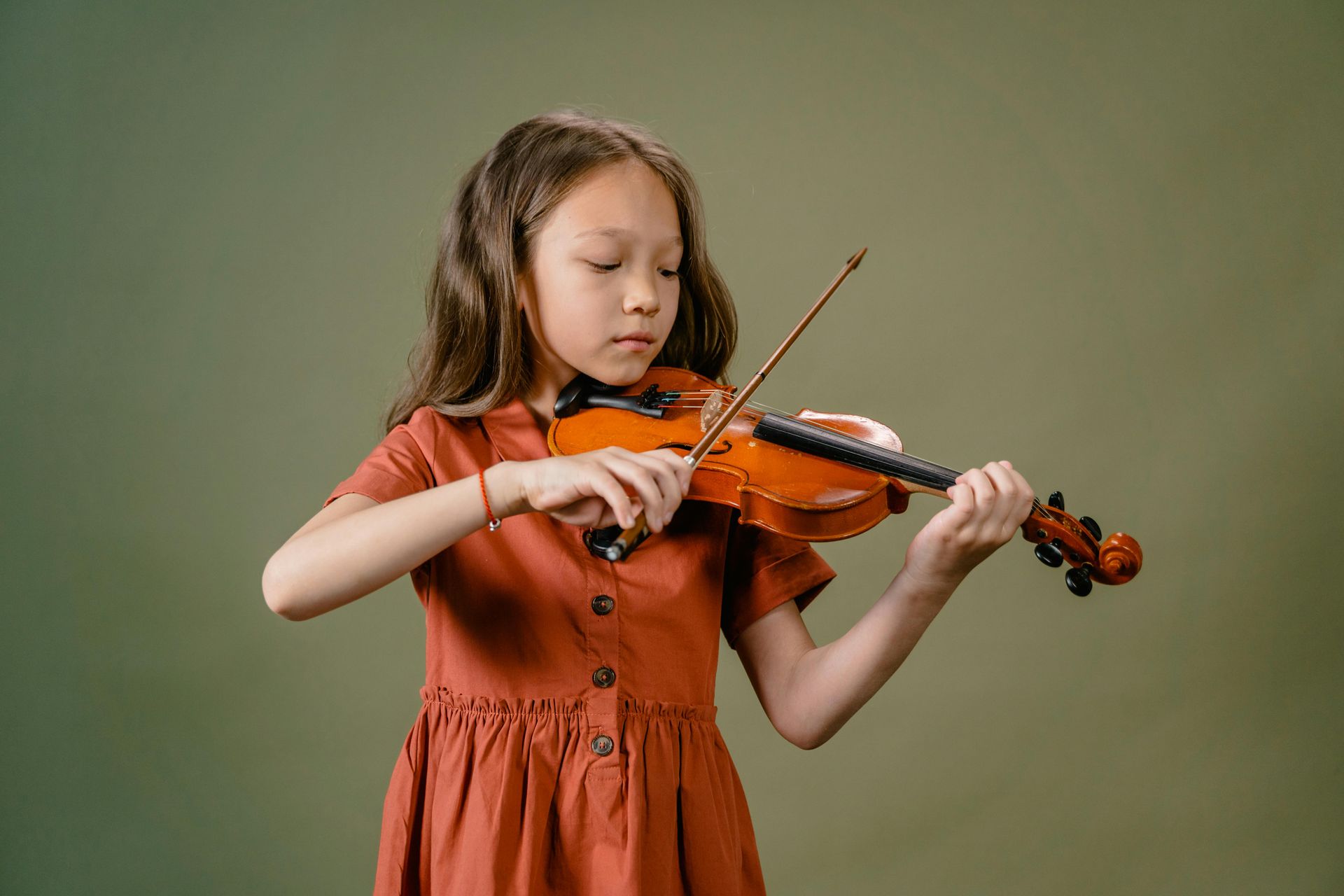
Violin4Kids Class

7 TO 11 YEARS OLD

$120/MONTH

SIGN UP HERE!

TBA

ADULT PIANO CLASS

18 Years Old & UP

$95/MONTH

SIGN UP HERE!

THURSDAY

FIRST CLASS ON 02/05

7:30PM

PRIVATE CLASSES

Play At Your Own Pace

Our Private Lessons are designed around you! Whether you're mastering the piano, shredding on guitar, or finding your voice, our personalized one-on-one lessons help you grow at your own pace. With expert guidance, you’ll unlock your musical potential and see fast progress — your instrument, your style, your way. Start making music today!

PIANO LESSONS

LEARN MORE

GUITAR LESSONS

LEARN MORE

VOICE LESSONS

LEARN MORE

VIOLIN LESSONS

LEARN MORE

DRUM LESSONS

LEARN MORE

CELLO LESSONS

LEARN MORE

OUR TEAM

Meet Our Expert Instructors

Our passionate teaching team is committed to guiding every student’s musical journey. The majority of our instructors hold music degrees, are actively pursuing them, or have extensive performing experience. With a deep love for music and education, they are here to inspire and help students grow in a fun, supportive environment. Click below to learn more about the talented individuals who make up our Musical Living Academy family!

MEET OUR TEAM

SPRING SEMESTER 2026
20-WEEK INSTRUCTIONAL SEMESTER

Semester Timeline

SEMESTER STARTS ON

MONDAY, FEBRUARY 02, 2026

NOTE: Lessons resume on January 5th, 2026 following Winter Break. January lessons continue under the current instructional cycle until the Spring semester officially begins.

NO CLASSES ON THE FOLLOWING DATES:

MARCH 16 - 21, 2026 - SPRING BREAK

WE ARE OPEN ON FEDERAL HOLIDAYS:

JANUARY 19 - MARTIN LUTHER KING JR. DAY

FEBRUARY 16 - PRESIDENTS' DAY

MAY 25 - MEMORIAL DAY

FEES & ADMINISTRATIVE DATES


Annual Program Enhancement Fee: Charged April 2026

This fee supports curriculum development, program resources, and ongoing program enhancements.


New Enrollment Note:

Families who enroll between January–March 2026 will not be charged the Annual Program Enhancement Fee until the following year.

SPRING RECITAL 2026


Saturday, June 13, 2026

Robert Pulido Performing Arts Center


Performance Agreement Deadline:

March 22, 2026


Participation details and expectations will be shared with eligible students in advance.

ADDITIONAL NOTES


Please refer to the client portal for attendance policies, missed lesson guidelines, and important studio communications.

OUR EVENTS

Upcoming Events

Tune in for our upcoming events! From student showcases to fun workshops and jam sessions, there's always something happening at our academy.

-- More Events Coming Soon

News

March 11, 2026
Why Consistency Matters More Than Motivation in Music Lessons 🎶 The Moment Many Parents Start to Wonder When families begin music lessons, motivation is often very high. ✨ Students are excited to explore their instrument. ✨ Parents feel encouraged by the opportunity for their child to learn something new. ✨ Practice routines begin with strong intentions. But after a few weeks, something very normal begins to happen. 📚 School responsibilities increase 🗓 Schedules become busier 🎹 Practice doesn’t always happen automatically At this point, many parents quietly begin to wonder: “What if my child just isn’t interested in music?” In reality, this is the moment when many families begin to question whether music lessons will last. But in most cases, the issue isn’t lack of interest. It’s simply that a habit hasn’t formed yet . Learning an instrument—like learning to read, practicing a sport, or developing study habits—requires something more dependable than motivation. It requires consistency . 💡 Key Insight “Motivation may start the journey, but consistency is what allows musical growth to take root.” This is why motivation alone cannot carry students through the entire learning process. 🔄 Why Motivation Isn’t Reliable Motivation rises and falls depending on mood, energy, and the circumstances of the day. Some days students feel excited to play. Other days they would rather do something else. If musical progress depended entirely on motivation, growth would be unpredictable. But strong musicians don’t rely on motivation alone. They rely on routine . Students who learn to show up consistently—even when motivation is lower—develop steady progress over time. 💡 Key Insight “Students don’t become strong musicians because they feel motivated every day. They grow because they show up consistently.” So if motivation isn’t the key to progress, what is? 📈 The Power of Small Improvements In the book Atomic Habits, author James Clear explains that lasting progress often comes from small improvements repeated consistently over time. He describes this idea as becoming 1% better each day . Music learning works the same way. A single practice session might produce a small improvement: 🎼 one smoother phrase 🥁 one corrected rhythm 🎹 one measure that finally begins to feel comfortable These improvements may seem small in the moment. But when they happen consistently, they compound over time . Week after week. Month after month. Those small improvements eventually become meaningful musical growth. 💡 Key Insight “Great musicians are not built in bursts of effort. They are built through steady, consistent progress.” This is where families play an incredibly important role. 👨‍👩‍👧 Consistency Is Built at Home When music lessons begin, both students and parents usually start with strong enthusiasm. ✨ Parents encourage practice. ✨ Students explore their instrument. ✨ The routine feels exciting and new. But after a few weeks, many families notice something important: Consistency requires a little more support than expected. Parents may find themselves reminding their child to practice. At this point, it’s easy to feel discouraged and wonder: “Am I supposed to be the one making sure practice happens?” In many ways, the answer is yes — but not in the way many people assume. Parents are not expected to teach the lesson or correct mistakes. Instead, their role is to help create the environment where consistency can grow . Small changes that make practice easier Often, just a few simple adjustments at home can make practice feel more natural. 🎹 Make the instrument visible Instruments placed in common areas tend to be used far more often. ⏰ Connect practice to an existing routine For example: after homework or before dinner. 🏡 Create a predictable rhythm When practice becomes part of daily life, it begins to feel normal rather than forced. 💡 Key Insight “Consistency in music lessons isn’t just built by students. It’s built by families.” Fortunately, supporting consistency at home is often simpler than many parents expect. 🌟 Simple Ways Families Can Encourage Consistency Parents often ask how they can best support their child’s musical progress. Often, small adjustments make practice feel much more natural. Practical ways to support practice 🎹 Keep the instrument accessible ⏰ Choose a consistent practice window Even 10 minutes each day can be powerful. 👏 Celebrate small improvements Encouragement builds confidence and motivation. Over time, these habits help students develop independence and confidence in their musical abilities. 💡 Key Insight “Great musicians are not built through occasional bursts of effort, but through small daily habits.” Over time, these small habits begin to shape something even more powerful. 🎼 When Students Begin to See Themselves as Musicians When consistency becomes part of a student’s routine, something remarkable happens. Practice begins to feel less like an obligation and more like a natural activity. Students begin to think differently about themselves. Not just as someone who takes lessons… But as someone who is a musician . This shift builds confidence, perseverance, and pride in their progress. And it often begins with something simple: Showing up consistently. 💡 Key Insight “Consistency doesn’t just build musical skills. It builds musical identity.” 🌿 A Final Thought for Families Learning music does not grow from a single moment of inspiration. It develops through small actions repeated consistently over time . Motivation may begin the journey. But consistency—supported by families and teachers together—is what allows musical growth to flourish.  💡 Key Insight “Motivation may spark the beginning of a musical journey, but consistency is what allows it to flourish.” 🎹 Curious What Music Lessons Could Look Like for Your Child? The best way to understand how music lessons work is to experience one. At Musical Living Academy , trial lessons allow students to: 🎹 meet their instructor 🎼 explore their instrument ✨ experience a positive and encouraging learning environment Parents also get the opportunity to see how we guide students toward consistent musical growth. 👉 Request a Free Trial Lesson and discover if music lessons are the right fit for your child.
February 9, 2026
Leadership author Simon Sinek reminds us: “People don’t buy what you do; they buy why you do it.”   — from Start With Why While this idea is often discussed in leadership and business, it applies powerfully to parenting—and especially to music education. When children are clear on why they are learning music, they are more resilient, more patient with mistakes, and more willing to persevere through challenge. When the WHY is unclear, even small obstacles can feel overwhelming. February is often when that difference becomes visible. As the semester progresses, routines settle in, expectations increase, and the initial excitement of starting something new begins to fade. This is often the point when families notice shifts in motivation, practice consistency, or confidence. When progress slows, it is rarely due to lack of ability or effort. More often, it’s a sign that expectations, habits, or purpose need a brief realignment—especially at home. February offers a natural moment to pause. Not to push harder, but to reconnect with why music matters in the first place. ✅ The February Parent Checklist: Anchoring Your Child’s WHY in Music 🎯 1. A Clear Family WHY for Music Lessons Most families begin music lessons with good intentions—but the deeper purpose is often left unstated. Ask yourself: Why do I want my child to study music beyond learning songs? What do I hope music teaches them about effort, focus, or confidence? How do I want my child to respond when something feels difficult? Meaningful WHYs often include: Learning perseverance through challenge Building confidence through earned progress Developing focus, patience, and discipline Experiencing growth that doesn’t come instantly Expressing emotions in healthy, creative ways Why this matters: Children may not yet be able to articulate the WHY—but they feel it through your language, expectations, and reactions. A clear WHY transforms practice from a chore into a purposeful habit. 🧠 2. Understanding That Progress Is Not Linear (And That This Is Normal) Music learning does not follow a straight line. Students experience: Periods of rapid improvement Plateaus where progress feels slower Breakthroughs that come after repetition Research in music cognition and educational psychology consistently shows that long-term success is more closely tied to sustained effort and patience than to early speed of progress . Why this matters: When parents expect constant visible improvement, students often feel pressure. When parents expect plateaus, students feel supported—and are more likely to persist. 🗣️ 3. Language That Reinforces Purpose, Not Pressure The way we talk about music at home shapes how children experience lessons. Helpful shifts include: From “Did you practice?” → “What felt challenging today?” From “You made a mistake.” → “That part is helping your brain grow.” From “You should be better by now.” → “Learning takes time, and you’re building something.” Why this matters: Students who associate effort with growth—not judgment—develop stronger motivation, resilience, and confidence over time. ⏱️ 4. Practice That Aligns With the WHY Practice does not need to be long—but it must be intentional and consistent. When the WHY is clear: Short practice sessions still feel meaningful Mistakes are viewed as information, not failure Effort matters more than immediate results Why this matters: Purpose-driven practice reduces resistance and helps students take ownership of their learning rather than relying solely on external reminders. 🤝 5. A Strong Parent–Student–Teacher Partnership The most successful music students benefit from alignment between: Teachers, who guide how learning happens Students, who engage with what they are learning Parents, who anchor why the work matters  Why this matters: When all three roles are aligned, students experience clarity, confidence, and steady progress—even during challenging phases of learning. 🎯 February Is Not About Pushing Harder—It’s About Aligning Deeper Small mindset shifts made in February can significantly impact a student’s long-term relationship with music. This reset is not about adding pressure. It’s about reinforcing purpose. When the WHY is clear: Motivation becomes internal Practice becomes meaningful Progress becomes sustainable At Musical Living Academy, we believe that when the mind is engaged and the heart is connected, growth follows naturally. Engage the Mind. Express the Heart.
January 12, 2026
A Parent Checklist for a Strong Start As we begin our Spring Semester , this is an ideal time to reset expectations and ensure your child is truly positioned for success in their music studies. When progress slows, it is rarely due to lack of talent. More often, it comes down to a few foundational habits and supports that must be in place—both in lessons and at home. Below is a five-part parent checklist designed to help every music student start the semester strong and stay on track. ✅ The Music Student Success Checklist 🎹 1. A Quality Instrument at Home (Non-Negotiable) One of the most common barriers to progress is limited or poor access to an appropriate instrument at home .  Ask yourself: Does my child have daily access to their instrument? Is it properly sized, tuned, and in good working condition ? Does it allow them to accurately practice what is being taught in lessons? Why this matters: Music skills are built through repetition. Without a reliable instrument, students cannot reinforce concepts, develop muscle memory, or build confidence—no matter how strong the instruction is. ⏱️ 2. A Minimum, Consistent Practice Routine Practice does not need to be long—but it must be consistent . General guidelines: Beginner students: 10–15 minutes, 4–5 days per week Advancing students: 20–30 minutes, 5 days per week Why this matters: Lessons introduce new material. Practice is where learning happens. Without a basic routine, progress naturally slows and frustration increases. Parents support success by: Scheduling practice into the daily routine Encouraging consistency over perfection Providing accountability, especially for younger students 📅 3. Attending Lessons Consistently Regular lesson attendance is a critical—but often underestimated—factor in student progress. Ask yourself: Are lessons treated as a priority commitment ? Are absences minimized and planned for in advance when possible? Why this matters: Music learning is cumulative. Each lesson builds on the previous one. Frequent absences interrupt momentum, delay skill development, and often require valuable lesson time for review instead of progress. Consistency in attendance supports: Stronger teacher–student continuity Clearer weekly goals Faster, more confident growth 🧠 4. Realistic Expectations About Progress Music progress is not linear . It often includes: Periods of rapid improvement Plateaus that test patience Breakthroughs that come after repetition This is normal. What helps most: Trusting the learning process Avoiding comparisons to other students Communicating openly with your child’s instructor 🤝 5. A Strong Parent–Student–Teacher Partnership The most successful students benefit from alignment between: Teachers , who guide instruction Students , who engage and practice Parents , who support structure and consistency at home When all three work together, progress accelerates. When one piece is missing, growth often slows. 🎯 A Strong Semester Starts With the Right Foundations Small adjustments made at the start of a semester—improving attendance, reinforcing practice routines, or upgrading an instrument—can dramatically change a student’s long-term trajectory. These supports are not about pressure. They are about creating the conditions where confidence, motivation, and growth can flourish .
January 5, 2026
Choosing a music academy is an important decision—not just for your child’s schedule, but for their growth, mindset, and long-term relationship with music. At Musical Living Academy, we believe honesty matters. So instead of telling you why everyone should enroll with us, we want to start with this truth: We’re not the right fit for every family—and that’s okay. In fact, if any of the reasons below resonate strongly with you, you may truly be happier at a different academy. 1. You’re Looking for a “Once-a-Week Activity” 🗓️ If music lessons are something to squeeze in only when life allows, our program may feel demanding. At MLA, we believe: Consistency matters Weekly lessons are part of a larger learning process Growth happens between lessons—not just during them Music here is not a drop-in activity. It’s a commitment to steady, intentional development. 2. You Want Fast Songs Instead of Foundational Skills 🎼 If success looks like: Learning lots of songs quickly Constantly switching repertoire Measuring progress only by what’s performed Then our approach may feel slower at first. We intentionally emphasize: Music literacy Technique Rhythm and reading Long-term musicianship Songs come and go. Skills last a lifetime. 3. You Prefer Frequent Performances Over Deep Preparation 🎤 Some academies offer constant performance opportunities. We don’t. At Musical Living Academy, students participate in three intentional performances per year : 🎹 Spring Recital 🌞 Summer Music Fest 🎄 Christmas Recital Why fewer performances? Because they allow for: Better preparation Deeper learning More confident, joyful performances Our goal isn’t stage quantity—it’s stage readiness. 4. You’re Hoping the Teacher Will “Handle Everything” 🎒 Our instructors are dedicated educators—but they are not magicians. Student progress is strongest when: Families support practice routines Parents encourage consistency Students take ownership of their learning If practice, accountability, or follow-through feel unrealistic right now, a more casual program may be a better fit. 5. You’re Uncomfortable with Structure and Expectations 🧭 We believe structure creates freedom. That includes: Clear attendance policies Defined performance commitments Consistent lesson pacing Purposeful instructional planning If you’re seeking a completely flexible or unstructured experience, our intentional systems may feel limiting. 6. You’re Seeking Competition Over Personal Growth 🌱 Some programs are built around: Rankings Trophies Comparison While we celebrate excellence, our primary focus is: Confidence Perseverance Discipline Musical independence We care more about who your child is becoming than how they compare to others. 7. You’re Not Looking for a Long-Term Relationship with Music 🎶 At its core, Musical Living Academy exists to explore one essential question: How does music education shape a person for life? If your goal is short-term exposure, we respect that. But if your goal is to help your child: Think deeply 🧠 Express themselves ❤️ Build resilience and confidence Develop skills that transfer beyond music Then we may be exactly what you’re looking for.  So… Who Is Musical Living Academy For? 🤍 We are a great fit for families who: Value consistency and commitment Appreciate thoughtful, intentional instruction Understand that progress takes time Want music education to shape character—not just repertoire If that sounds like you, we’d be honored to walk alongside your family. And if not—we genuinely wish you the best in finding the program that fits your needs. Because the right music education experience begins with shared values. Think We Might Be the Right Fit? 🎹 Experience our approach firsthand with a Free Trial Lesson . No pressure. No obligation. Just clarity as you begin the year.
December 17, 2025
At Musical Living Academy, every decision we make — from how lessons are structured to how often students perform — is intentional. Our goal is not simply to help students play songs. Our goal is to help students understand music, grow confidently, and develop skills that last far beyond a single performance. This philosophy is shaped by decades of music education research and by what we consistently observe in today’s school music programs. 📊 What Music Education Research Shows For over 50 years, national music studies have examined how students learn music in the United States. One consistent finding stands out: 🎭 Students often become strong performers, but weaker independent musicians. Across multiple decades of research, students tended to do well in: Rehearsed performances Playing or singing music learned in class Following a conductor or teacher But they struggled more with: 🎼 Reading music independently 🥁 Counting and decoding rhythms 👂 Hearing music internally (audiation) ✍️ Understanding how music works 🎨 Creating, improvising, or adapting music This doesn’t mean school music programs aren’t valuable — they absolutely are. It simply means that large, performance-driven environments don’t always allow enough time for deep skill-building . This is where Musical Living Academy plays a vital role. 🎯 The Purpose of Musical Living Academy MLA exists to strengthen the musical foundation underneath performance. We focus on helping students develop: 🎵 Strong music-reading skills 🧠 Musical understanding and independence 🥁 Rhythmic confidence 🎹 Healthy technique 📚 Effective practice habits 🌱 Growth-mindset skills like perseverance and confidence When students understand what they are playing and why, they become more confident, motivated, and joyful musicians — both at MLA and in their school programs. 🎨 Why Teaching Music Well Requires Intentionality and Creativity Teaching music effectively is a careful balance. Students are naturally motivated by songs and performances. But the skills that make music easier — reading, rhythm, technique — often take longer to develop and require thoughtful instruction. At MLA, our instructors intentionally plan lessons that balance: Literacy and motivation Skill-building and enjoyment Structure and creativity In lessons, this looks like: 🎹 Teachers demonstrating concepts before students try them 🧩 Breaking musical ideas into manageable steps 🥁 Using rhythm games, movement, and creative activities 🎵 Blending reading work with music students enjoy playing 🌈 Encouraging effort and progress — not perfection This approach keeps students engaged while building the skills that lead to long-term success. 🎤 Why MLA Limits Performances to Three Per Year Many music schools offer frequent recitals or performances throughout the year. While exciting, frequent performances can shift lessons into constant “performance mode.” At MLA, we choose a more balanced approach. Students perform at three intentional, meaningful events each year: 🌸 Spring Recitals ☀️ Summer Music Fest 🎄 Christmas Recitals These performances are intentionally spaced so students have time between them to: Strengthen reading skills Develop technique Learn new concepts deeply Build confidence gradually Practice without pressure Rather than rushing from one performance to the next, students experience steady growth , and performances become true celebrations of learning — not the sole focus of instruction. 🎼 How This Benefits School Music Programs MLA is designed to complement school band, choir, and orchestra programs — not replace them. Directors often notice that students who study privately or in small-group settings focused on literacy: Read music more accurately Learn new pieces more quickly Maintain better rhythm Practice more independently Feel more confident in ensemble settings The skills students develop at MLA directly support their success in every musical environment they encounter. ❤️ Our Commitment to Families Musical Living Academy is committed to teaching music with care, intention, and purpose. By focusing on understanding over memorization , by protecting instructional time, and by celebrating growth through a few meaningful performances — we help students become musicians who are confident, capable, and joyful for life. This is how we live out our mission every day: Engage the Mind 💡 Express the Heart ❤️
December 3, 2025
How to Support Your Young Musician in the Final Countdown With our Christmas Recitals just two weeks away, the excitement is building! For many students, this is one of the most memorable moments of the year, a chance to share their hard work, growth, and heart through music. As parents, you play a bigger role than you might realize. Research consistently shows that the way adults respond to practice, nerves, and performances shapes a child’s confidence, resilience, and long-term love for learning. Here are the top five “parent secrets” that help children step onto the stage with joy, calm, and pride: ✅ 1. Celebrate Their Commitment — Not Just Their Performance Children thrive when adults notice the effort behind the achievement. Small things like showing up to lessons, practicing even when it’s tough, or working through a hard measure are what truly build musicianship. Try saying: 👉 “I love how dedicated you’ve been this semester.” This encourages a growth mindset, a key ingredient for long-term confidence. ✅ 2. Let Them Know Nerves Are Totally Normal Even professional musicians feel nervous before performing. Reminding your child that nerves are normal, and even helpful, prevents anxiety from turning into fear. Try: 👉 “Feeling nervous means your music matters to you.” This simple reframing works wonders. ✅ 3. Swap Pressure Questions for Encouraging Statements Questions like “Are you ready?” can unintentionally add pressure. Instead, shift the focus from performing perfectly to sharing their music. Say this instead: 👉 “I can’t wait to hear you play. You’ve worked so hard.” It’s encouraging, grounding, and confidence-building. ✅ 4. Reflect on How Much They’ve Grown The days leading up to a recital are the perfect time to pause and acknowledge growth — new skills, finished pieces, better hand technique, or simply showing more confidence at the piano or guitar. Try: 👉 “Look at how much more you can do now than when you started!” When children see their progress, they walk on stage with pride instead of fear. ✅ 5. Be Their Safe, Steady Place More than anything, children need to know they are loved and supported no matter what happens on stage . Your calm presence and unconditional encouragement help them feel grounded before, during, and after the performance. A few words go a long way: 👉 “I’m proud of you for sharing your music today.” When parents are steady, children feel safe — and safe children shine. 🎶 Let’s Make This Recital Season Full of Joy These next two weeks are a celebration of growth , courage , and expression — not perfection. Let’s partner together to help our students walk onto the stage with excitement, confidence, and the knowledge that their best effort is more than enough. Engage the Mind 💡 Express the Heart ❤️
Show More

Stay Connected!

What Our Students & Parents Say

HAVE QUESTIONS? WE'RE HERE TO HELP

Let's Talk! Reach Out Today.

HAVE QUESTIONS? WE'RE HERE TO HELP

Let's Talk! Reach Out Today.